Design: a few weeks
Design is the fastest phase. Excell Homes, an established DMV builder, publishes 2–3 weeks for design on its ADU projects. That is the plan-drawing stage: floor plans, the site plan showing where the ADU sits on your lot, and the details the county needs to review.
Sources: Excell Homes (excellhomes.us/adu, published figures).
Permits: the wildcard
The same builder publishes 30–60 days for permits on its projects — but that is its number, in the counties where it works. Charles County publishes no permit timeline of its own, and we will not promise you one. What Maryland law does guarantee: the county must approve or deny a complete application within 90 days, in a plain review with no discretionary hearing. Note the word "complete" — a missing septic sign-off or an unfinished site plan means the application is not complete yet. Our permits guide walks through each step in order.
Sources: Excell Homes (published figure, its projects); Chapter 197 of the 2025 Laws of Maryland (HB 1466/SB 891), §4-505; Charles County permit review timelines UNVERIFIED.
Construction: a few months
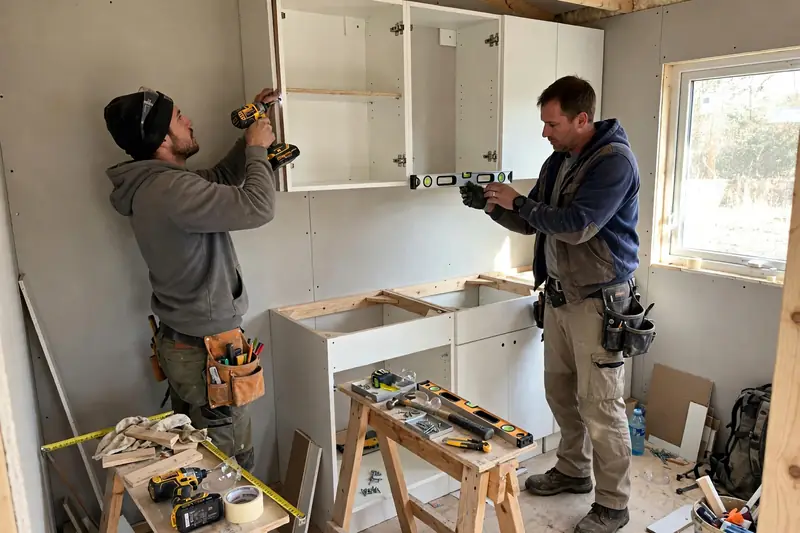
Makara ADU, a Maryland builder, says construction runs about 3–4 months (quoted in The Banner). Excell Homes publishes 12–16 weeks of building, for 5–7 months from start to move-in on its projects. Your ADU type matters: converting existing space is simpler than building a detached cottage from the ground up. See our build process page for how the phases fit together.
Sources: Makara ADU (quoted in The Banner); Excell Homes (excellhomes.us/adu, published figures).
What slows projects down
- Incomplete applications. A missing health-department sign-off or an unfinished plan means the application is not complete — and the 90-day decision rule only runs on complete applications.
- Septic surprises. On well and septic lots, the drainfield check can force a redesign — or end the project. Find out in week one, not month six.
- HOA fights. An architectural review board that was not consulted early can stall you for months. Get approval in writing before you pay for plans.
- Scope changes. Every "while you're at it" change mid-build costs time and money. Lock the plan before construction starts.
What speeds it up
- A complete application. Every signature, every sign-off, every drawing — filed at once.
- Early health-department sign-off. On septic lots, this is the long pole. Start it first.
- Fast decisions from you. Picking finishes and fixtures on schedule keeps the build moving.
- A builder who files early and follows up. Permits do not approve themselves. That is why every project starts with a free feasibility study — we find the problems before the county does.
Do prefab ADUs go faster?
A factory-built unit can shorten the on-site build — but you still need design, county permits, a foundation, and utility hookups. Prefab speeds up construction, not the paperwork. And the county's review speed is the part nobody can promise, prefab or not. More questions? The main ADU FAQ covers cost, legality, renting, and HOAs.
Check it yourself — or skip the homework
Don't take our word for any of this. Zoning and permit questions: Charles County Planning & Growth Management, 301-645-0692. Well and septic questions: Health Department, Division of Environmental Health, 301-609-6751. The county's published draft rules are Bill 2026-06 / ZTA 25-189 ("Flexibility for Accessory Dwelling Units"); the state law is Chapter 197 of the 2025 Laws of Maryland (HB 1466/SB 891).
Or skip the homework: call (240) 222-5082 and we'll walk your lot free and tell you what your county allows — before you spend a dollar.